
The European Union has strongly condemned Israel’s fresh wave of strikes against Lebanon, warning that the military escalation threatens to unravel the fragile ceasefire deal struck between the United States and Iran to end the war.
ADVERTISEMENT

ADVERTISEMENT
Pakistan, which brokered the deal, said the truce would cover Lebanon “effective immediately”. But Israel quickly contradicted that assertion and launched new action, killing at least 254 people on Wednesday, according to Lebanese authorities.
The figure marked the highest single-day death toll in the yearslong war between Israel and Hezbollah, the Iran-backed Shiite militia.
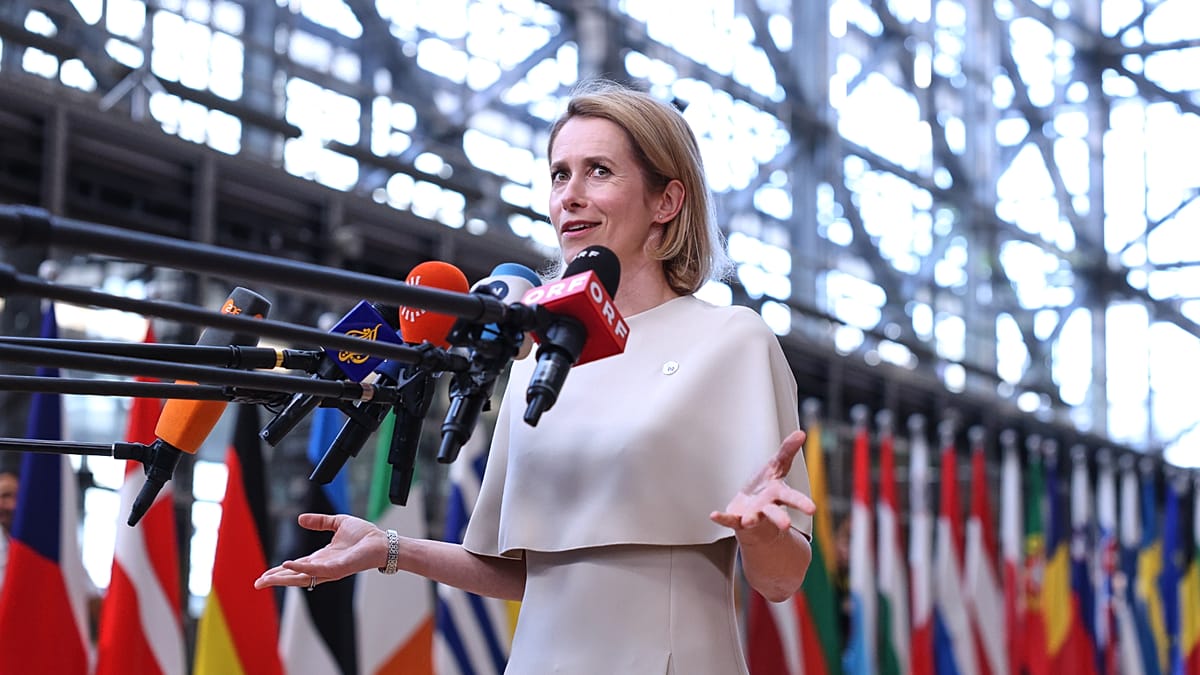
“Hezbollah dragged Lebanon into the war, but Israel’s right to defend itself does not justify inflicting such massive destruction,” High Representative Kaja Kallas said on Thursday morning, adding her voice to the growing chorus of criticism.
“Israeli strikes killed hundreds last night, making it hard to argue that such heavy-handed actions fall within self-defence. Israeli actions are putting the US-Iran ceasefire under severe strain. The Iran truce should extend to Lebanon,” she added.
“Hezbollah must disarm. The EU supports Lebanon’s efforts to disarm Hezbollah.”
Lebanon declared a period of national mourning following the Israeli attacks on Wednesday, which saw more than 100 airstrikes in the space of 10 minutes. The offensive hit hard in southern Lebanon and several areas of the capital, Beirut, prompting panic among civilians and a scramble to rescue those trapped under the rubble.
The Israeli army said it had targeted military sites used by Hezbollah fighters and accused the militia of trying to “blend into” areas beyond their stronghold.
Lebanese Prime Minister Nawaf Salam said the shelling had been committed against civilian areas in “utter disregard for the principles of international law and international humanitarian law”. President Joseph Aoun spoke of a “massacre”.
‘A second Gaza’
The surge in violence has deeply rattled Europeans, who worry that worsening instability and suffering could derail the Lebanese government’s precarious efforts to strengthen the national army and cripple Hezbollah’s insidious influence over the multi-ethnic state. There are also concerns about a potential migratory wave.
After speaking with Salam and Aoun on the phone, French President Emmanuel Macron condemned the Israeli bombardment “in the strongest possible terms”.
The attacks “pose a direct threat to the sustainability of the ceasefire that has just been reached. Lebanon must be fully covered by it,” Macron said.
Italian Foreign Minister Antonio Tajani warned of a “second Gaza” and summoned the Israeli ambassador in response. His Belgian counterpart, Maxime Prévot, who was in Lebanon at the time of the strikes, said the Israeli action was “disproportionate”.
Germany’s Foreign Minister Johann Wadephu urged Israel to “limit itself to the necessary self-defence against Hezbollah and not to go beyond that”, a spokesperson said.
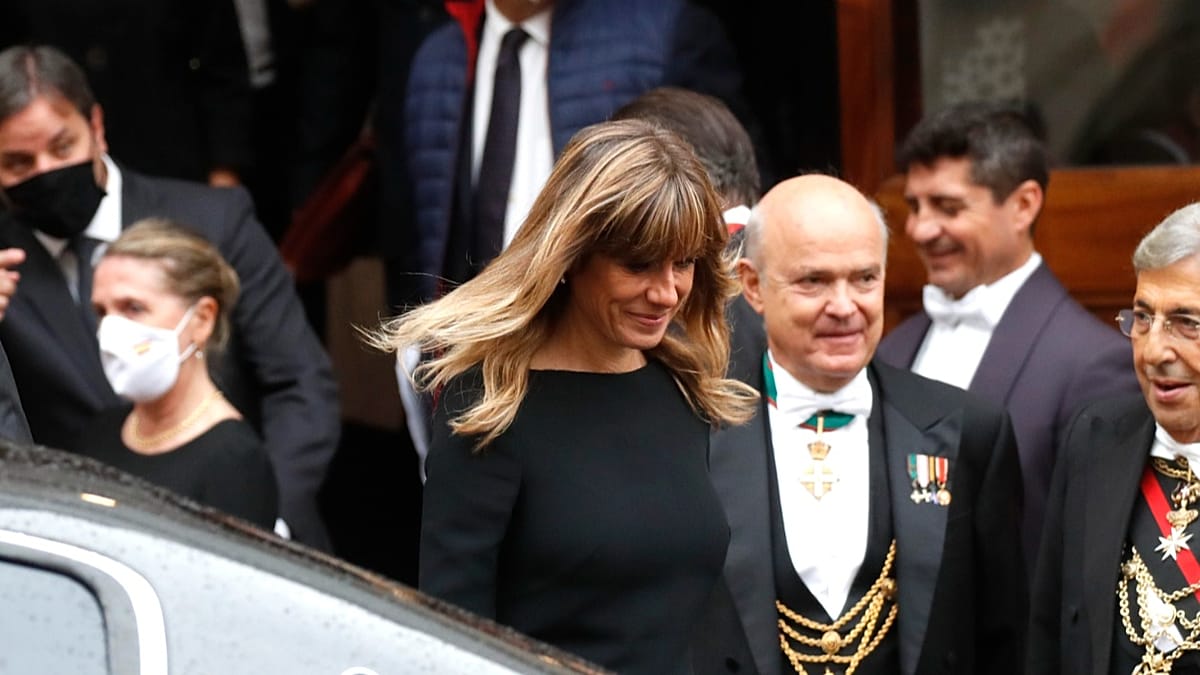
Spanish Prime Minister Pedro Sánchez pointed the finger directly at Israeli Prime Minister Benjamin Netanyahu, saying “his contempt for human life” was “intolerable”.
Sánchez, a staunch critic of Netanyahu’s government, also called on the EU to suspend its Association Agreement with Israel, a proposal that Spain and others promoted in the context of Israel’s war on Gaza.
Last year, as the humanitarian situation worsened, the European Commission tabled a partial suspension of the agreement, but intractable divisions among member states thwarted the necessary qualified majority to move it forward.
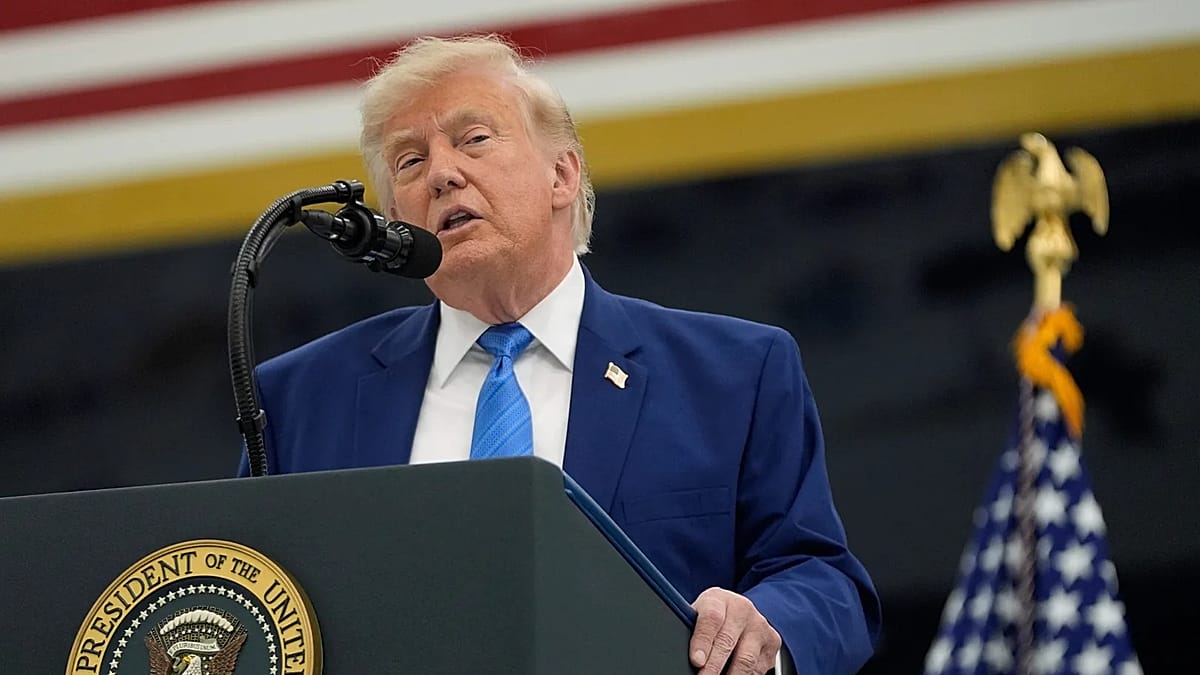
Amid the mounting outrage, the White House struggled to explain the terms of the ceasefire deal with Iran, which are fiercely contested by the two rival camps, casting doubt on how long the precarious truce might hold.
Tehran insists that Lebanon was always part of the 10-point plan, and the Israeli strikes therefore constitute a violation of the provisions. But US Vice President JD Vance, who was involved in drafting the deal, said Washington “never made that promise” and the conflicting narratives stem from a “legitimate misunderstanding”.
According to Vance, Israel has offered to “check themselves a little bit in Lebanon” to “make sure that our negotiation is successful”.
Meanwhile, Karoline Leavitt, the White House press secretary, said the possible inclusion of Lebanon in the ceasefire deal would “continue to be discussed”, but warned closing the Strait of Hormuz in response to the latest Israeli attacks was “unacceptable”.