



Published on
Next time you grumble at the petrol pump, who should you really be mad at? The oil companies, your government, or the EU?
ADVERTISEMENT

ADVERTISEMENT
The truth is, you are paying for a lot more than just the energy itself. In 20 EU countries, taxes swallow more than half the price of petrol.
The EU sets a minimum petrol tax, but national governments pile on the rest. So when the Iran war spikes oil prices, these heavy levies multiply the pain for your wallet. So, are any governments stepping in to ease the pressure?
The answer is yes, and Spain is leading the charge. Prime Minister Pedro Sanchez just took drastic action, rolling out a €5bn emergency package featuring 80 different measures.
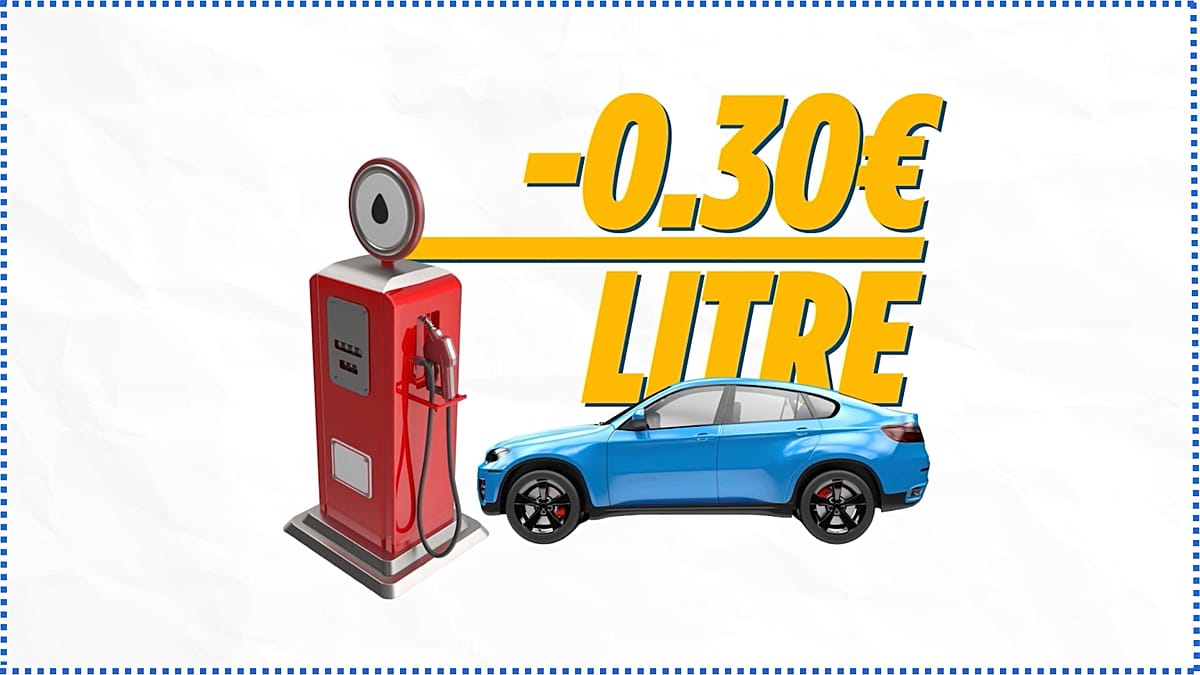
The standard 21% VAT on fuel, electricity, and natural gas will go down to just 10%. For drivers, that cut is expected to knock about 30 cents off a litre of petrol.
And the retail price of butane and propane, the gas used to power your stove and heat your home, will be completely frozen.
Finally, the government is also temporarily suspending the tax on the value of electricity production and issuing direct fuel subsidies for farmers and fishermen.
And some countries are following suit. Italy and Austria are already planning their own national tax cuts to shield citizens.
At last week’s summit, EU leaders asked the European Commission to draft temporary emergency measures. Which is basically political speak for: “we need to find a quick fix to stop the bleed.”
But the overall conclusion seems to be clear: the only permanent escape from volatile fuel prices is a faster shift to domestic renewables.
Let’s look again at Spain. Because nearly 60% of their power already comes from renewables, they are naturally shielded from these gas price spikes.
I just wish we had that kind of sunlight here in Brussels.
Watch the Euronews video in the player above for the full story.


